Team sports are an integral part of our social fabric, offering more than just physical exercise; they provide a platform for personal development, community engagement, and the cultivation of essential life skills. This article explores the profound impact that team sports have on individuals, particularly in terms of character building, social skills, and the sense of belonging they foster.
At the core of team sports lies the principle of collaboration. Every sport demands that players work together, often requiring them to sacrifice personal glory for the good of the team. This collaborative spirit helps individuals understand the value of teamwork, a lesson that transcends sports and applies to nearly every aspect of life, including work and personal relationships. Players learn to rely on one another, fostering trust and cooperation, which are critical skills in today’s interconnected world.
Communication is another fundamental skill honed through participation in team sports. Players must effectively share ideas, call plays, and provide feedback to one another. This constant exchange not only improves team performance but also enhances individual social skills. The ability to communicate clearly and listen actively is invaluable, benefiting players in their future professional and personal interactions. Team sports provide a unique environment where individuals can practice these skills in real-time, under the pressure of competition.
Moreover, team sports cultivate leadership qualities among participants. While some individuals naturally gravitate towards leadership roles, others develop these skills through their experiences on the field. A successful team often has a mix of leaders—some who guide vocally and others who lead by example. This environment helps individuals build confidence, learn how to inspire others, and understand the importance of accountability. Leadership in sports often translates into effective leadership in other areas of life, preparing individuals to take initiative and drive positive change.
Strategic thinking is another key component fostered by team sports. Players must continuously assess their surroundings, make quick decisions, and adapt to the unfolding dynamics of the game. This requires a keen awareness of both teammates and opponents, as well as the ability to devise effective strategies that leverage collective strengths. Coaches play a pivotal role in developing these skills, providing guidance and teaching players how to analyze situations critically. The analytical skills gained through sports can enhance a player’s problem-solving capabilities in academics and careers.
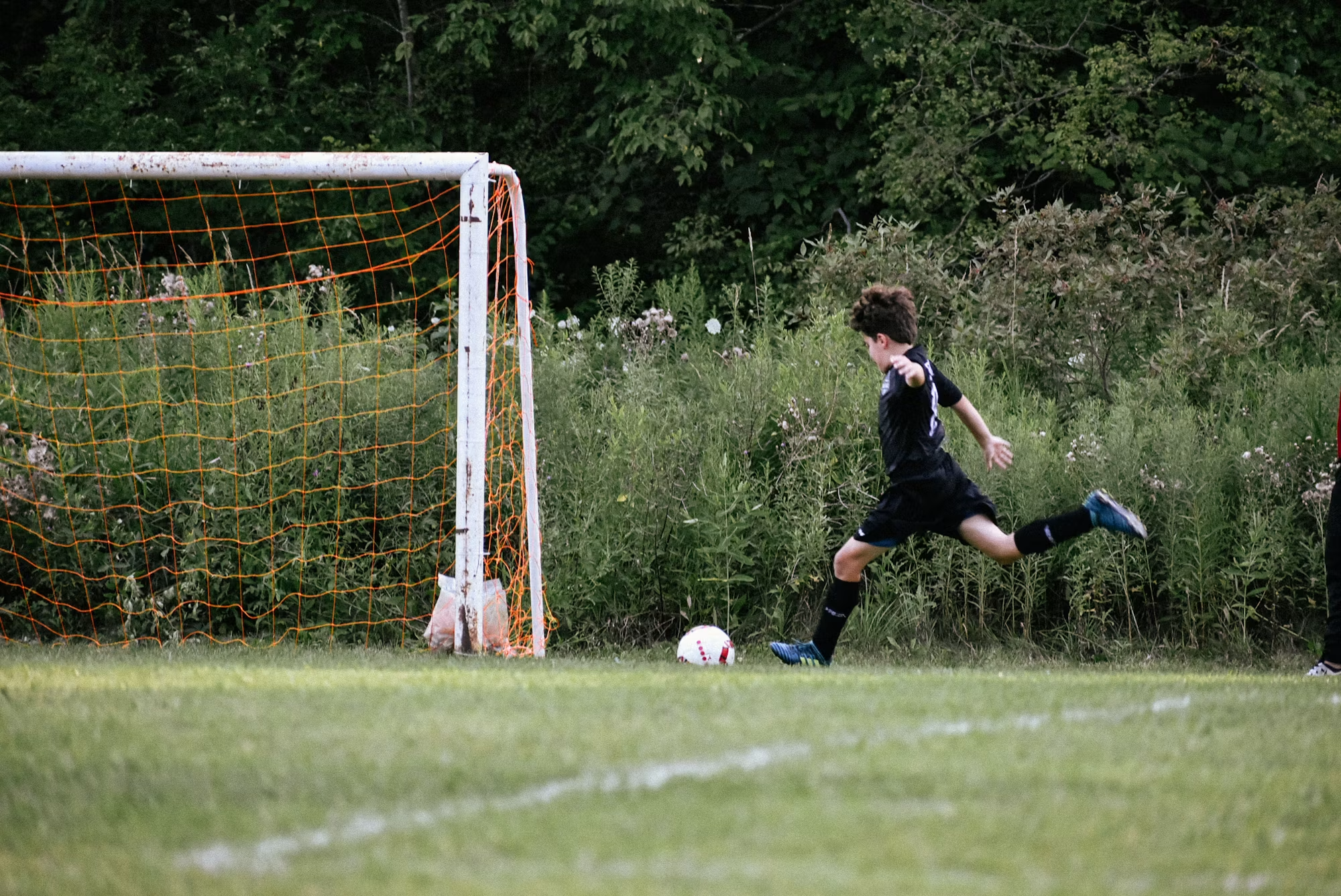
Different team sports present unique challenges and dynamics that contribute to individual growth. For instance, basketball requires quick decision-making and fast-paced teamwork, while soccer emphasizes spatial awareness and positional play. Each sport brings its own set of rules and strategies, allowing players to learn adaptability and flexibility. By engaging in various team sports, individuals broaden their skill sets and develop a versatile approach to teamwork.
The social aspect of team sports is immensely significant. They serve as a melting pot for individuals from diverse backgrounds, creating opportunities for friendship and community building. Teammates share experiences that forge deep bonds, often leading to lifelong friendships. This social network is especially crucial for younger athletes, as it helps them navigate the complexities of growing up while providing a support system that encourages personal development. The camaraderie formed in team sports creates a sense of belonging, vital for mental and emotional well-being.
Culturally, team sports play a critical role in shaping community identity. They foster a sense of pride and unity among community members, bringing people together to support a common goal. Events such as regional championships and local league games create opportunities for community members to gather, celebrate, and forge connections. The emotional investment in local teams helps build a sense of belonging, reinforcing the idea that individuals are part of something greater than themselves.
Fan culture surrounding team sports further amplifies their cultural significance. Spectators engage with their teams passionately, creating an electrifying atmosphere during games. This engagement goes beyond mere entertainment; it fosters community spirit and pride. Fans often participate in rituals—chanting, celebrating, and sometimes grieving together—which deepens their connection to the team and each other. This shared emotional experience reinforces community bonds and encourages individuals to remain invested in their local sports culture.
Iconic teams and athletes serve as role models, inspiring countless individuals to engage in sports. Teams like the Chicago Bulls in basketball or the New Zealand All Blacks in rugby have left indelible marks on their sports, exemplifying the values of teamwork, dedication, and resilience. The narratives surrounding these teams often resonate deeply with fans, encouraging them to pursue their dreams and embody the principles these teams represent. The stories of triumph and perseverance shared in team sports motivate individuals to strive for success in their endeavors.
As team sports continue to evolve, they are also adapting to new challenges and opportunities presented by technological advancements. The integration of data analytics and performance tracking has transformed the way teams prepare and compete. Athletes now have access to detailed information about their performance, enabling them to refine their skills and make informed decisions about their training. This shift towards data-driven training enhances not only athletic performance but also cultivates a mindset of continuous improvement and learning.
Inclusivity in team sports is gaining increased focus, with organizations recognizing the importance of creating opportunities for individuals from all walks of life. By promoting inclusive environments, team sports can serve as powerful tools for social integration, breaking down barriers and building connections across diverse communities. Initiatives aimed at increasing participation among underrepresented groups ensure that the benefits of team sports are accessible to everyone, enriching the overall sporting experience and fostering a sense of community.
Coaches play an essential role in shaping the culture of team sports, influencing how players interact and develop their skills. A skilled coach not only focuses on developing athletic abilities but also emphasizes the importance of teamwork, sportsmanship, and personal growth. Their leadership style greatly impacts the players’ experiences, creating an environment where athletes are motivated to strive for excellence. Coaches who instill values of respect, hard work, and integrity contribute to a positive team culture that extends beyond wins and losses.
In addition to physical training, coaches also focus on the mental aspects of the game, preparing athletes for the pressures of competition. Various coaching methodologies are employed to help players build mental resilience, ensuring they can handle the ups and downs of sports. This psychological preparation is crucial, teaching athletes to manage stress and maintain a positive mindset. By creating an environment where mistakes are viewed as opportunities for growth, coaches help players develop resilience that serves them well beyond the sports arena.
In conclusion, the impact of team sports on personal development is profound and far-reaching. Through collaboration, communication, and strategic thinking, athletes gain invaluable experiences that resonate throughout their lives. The cultural significance of team sports enhances community engagement and pride, while the friendships formed among teammates create a supportive network for personal growth. As we celebrate the transformative power of team sports, we recognize their essential role in shaping individuals and communities, highlighting the enduring values of unity, resilience, and camaraderie that define the essence of teamwork.